
The Best Foods for Managing Blood Pressure
Blood pressure is a silent problem. Most people do not even know they have it until something goes wrong. A headache here. Some dizziness there. And then one day, the doctor tells you. Your blood pressure is high.
I have seen this happen to friends and family. Hardworking people who ignore the signs. They keep eating the same food. They keep adding salt to everything. And their health keeps getting worse.
But here is the good news. You can manage blood pressure naturally. Without expensive medicines. Without complicated diets. Just with food from your kitchen.
Your grandmother knew this. She cooked with less salt. She used garlic in everything. She made sure the family ate fresh vegetables. Science has finally caught up with what she knew all along.
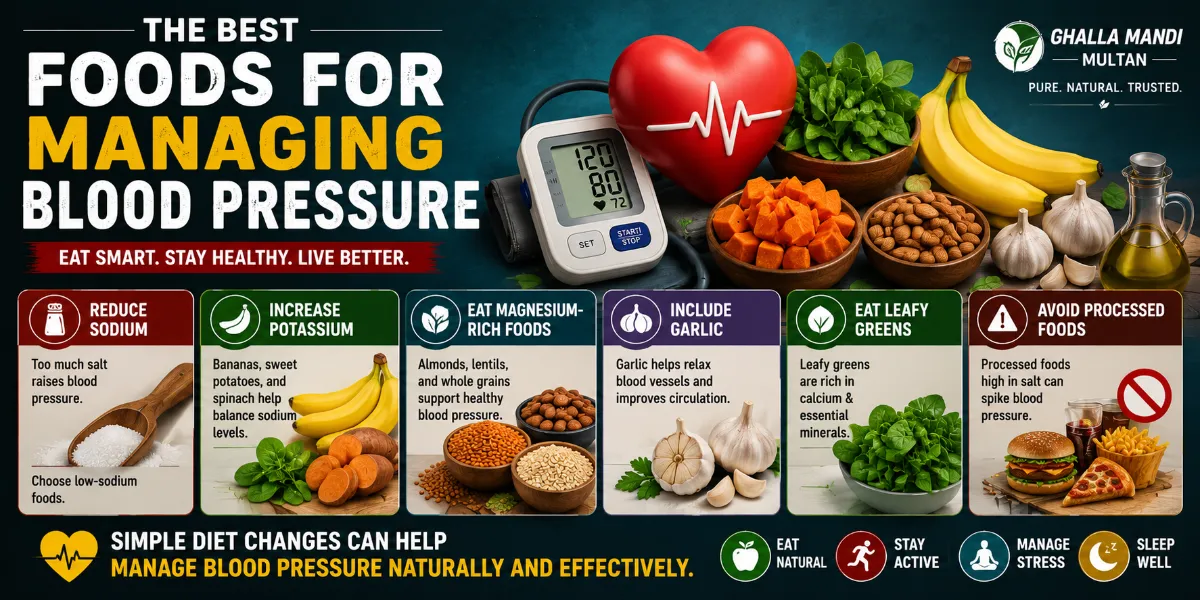
Reduce Sodium – The Salt Problem
Salt is everywhere. In our daals. In our curries. In our pickles. In our snacks. We add salt without thinking. And this is exactly what raises blood pressure.
When you eat too much salt, your body holds onto water. This extra water increases the volume of blood in your veins. More blood volume means more pressure on your artery walls. This pressure is what we call high blood pressure.
The recommended daily salt intake is less than one teaspoon. But most Pakistanis eat three to four teaspoons daily. Sometimes more. All those processed snacks, packaged foods, and restaurant meals are packed with hidden salt.
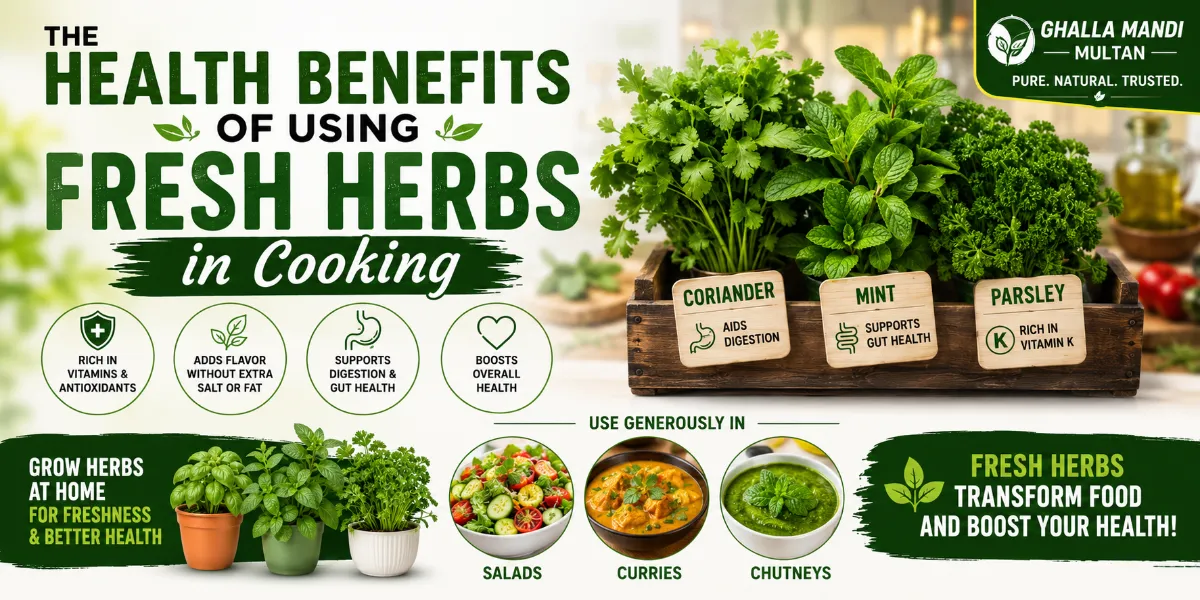
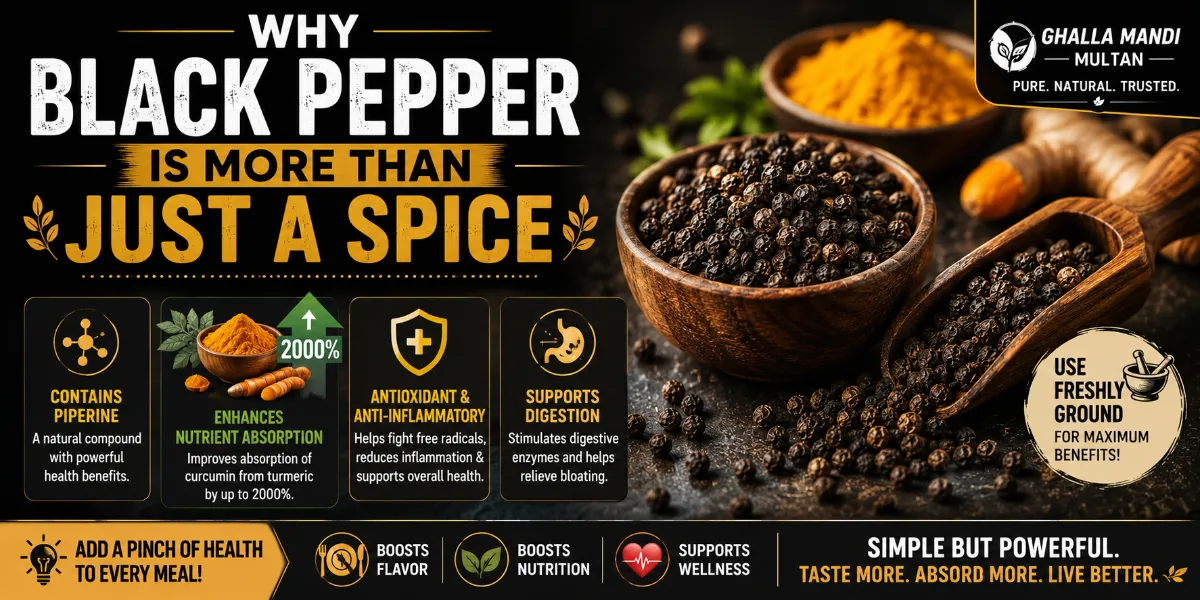
You can reduce salt without losing flavor. Use herbs like coriander and mint. Use spices like cumin and black pepper. Use lemon juice for tanginess. Garlic adds a strong flavor that reduces your need for salt. The goal is to slowly train your taste buds to enjoy less salt.
Increase Potassium – The Natural Balancer
Potassium is the opposite of sodium. While sodium increases blood pressure, potassium helps lower it. Potassium relaxes your blood vessel walls. This allows blood to flow more easily. Less resistance means lower pressure.
You need a balance. Eat more potassium and your body naturally excretes more sodium through urine. This is nature's way of controlling blood pressure.
The best sources of potassium are simple. Bananas are the most famous. One banana gives you about ten percent of your daily potassium needs. Sweet potatoes are even better. One medium sweet potato has more potassium than a banana. Spinach is packed with potassium. A cup of cooked spinach has over eight hundred milligrams. That is almost twenty percent of your daily need.
White potatoes also have potassium. But eat them with the skin on for maximum benefit. Beans are another great source. Kidney beans, black beans, and chickpeas all have significant potassium. Avocados are rich in potassium and healthy fats. Even yogurt and milk contain potassium.
Eat Magnesium-Rich Foods – The Relaxer
Magnesium is a mineral that many people overlook. But it is crucial for blood pressure control. Magnesium helps blood vessels relax. When blood vessels are relaxed, blood flows more freely. Pressure drops naturally.
People with low magnesium levels often have higher blood pressure. This is because their blood vessels stay tight and constricted. Adding magnesium to your diet can make a big difference.
The best magnesium sources are almonds. A handful of almonds gives you about eighty milligrams of magnesium. Lentils are also excellent. A cup of cooked lentils has over seventy milligrams. Whole grains like brown rice and whole wheat have magnesium. Even dark chocolate has magnesium. But keep it small.
You can also eat spinach for magnesium. One cup of cooked spinach has over one hundred fifty milligrams. Pumpkin seeds have one hundred fifty milligrams in just a small handful. Black beans and kidney beans are also good sources.
Include Garlic – The Vessel Relaxer
Garlic is not just for flavor. It has real medicinal properties. For centuries, people have used garlic to treat heart problems. Modern science now confirms this.
Garlic contains allicin. This compound helps relax blood vessels. Relaxed blood vessels allow blood to flow more easily. This reduces pressure on artery walls. Garlic also helps reduce inflammation in blood vessels. Less inflammation means healthier vessels.
Studies have shown that regular garlic consumption can lower systolic blood pressure by about five to ten points. This is similar to some medications. But without the side effects.
Use fresh garlic for the best benefits. Crush it and let it sit for ten minutes. This activates the allicin. Then add it to your cooking. You can also eat raw garlic if you can handle the taste. Start with one clove daily and increase slowly.
Eat Leafy Greens – The Calcium Source
Calcium is not just for strong bones. It also helps regulate blood pressure. Calcium helps blood vessels contract and relax properly. When calcium levels are low, blood vessels can become stiff. This increases pressure.
Leafy greens are packed with calcium. They also contain potassium and magnesium. This combination makes them perfect for blood pressure management.
Spinach is the king. One cup of cooked spinach has over two hundred forty milligrams of calcium. It also has potassium and magnesium. This triple benefit makes spinach a powerful blood pressure food.
Fenugreek leaves or methi are also excellent. They are rich in calcium and iron. Cook them with a little oil and spices. Cabbage has calcium and is easy to find throughout the year. Even lettuce has calcium, but in smaller amounts.
Avoid Processed Foods – The Hidden Danger
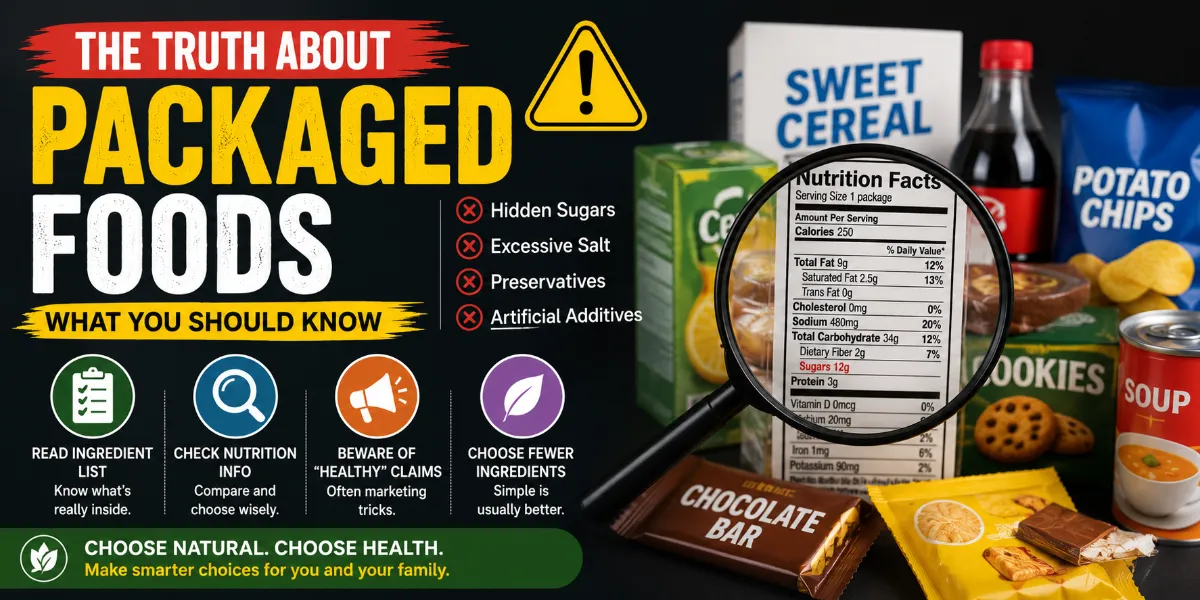
Processed foods are the biggest threat to blood pressure. They are packed with hidden salt. They also contain preservatives and unhealthy fats. These all contribute to high blood pressure.
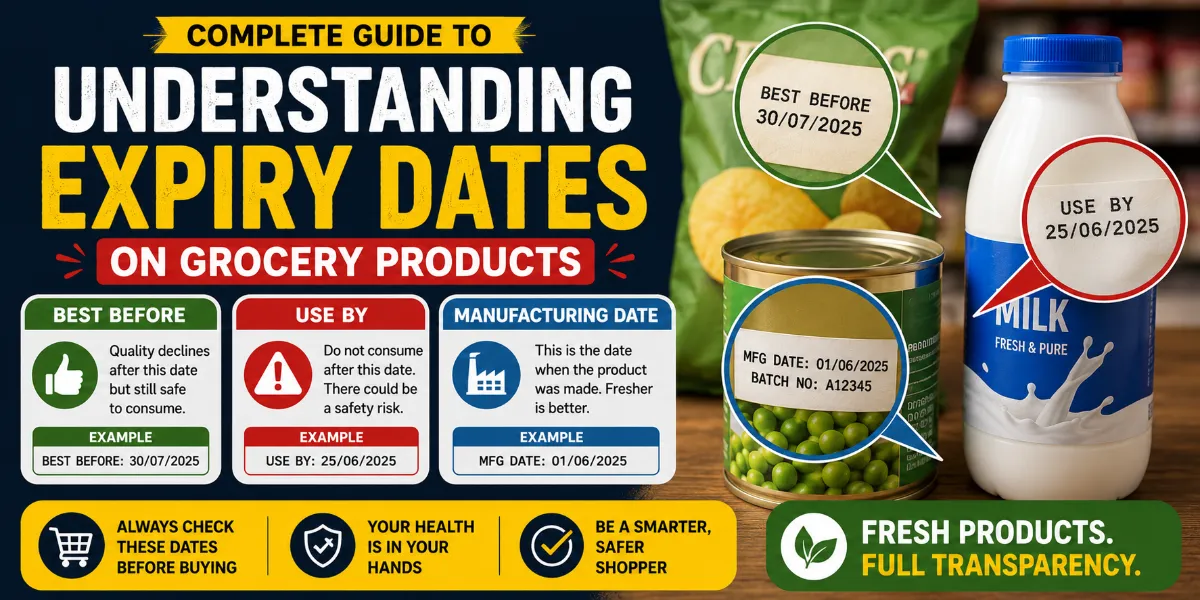
Packaged snacks are the worst. Chips, biscuits, and namkeen have huge amounts of salt. One small packet can contain your entire daily salt allowance. Canned foods are also problematic. They use salt as a preservative. Canned vegetables, soups, and beans all have added salt.
Processed meats like sausages and salami have excessive salt. Pickles are preserved in salt water. They can contain up to five hundred milligrams of salt in just one piece.
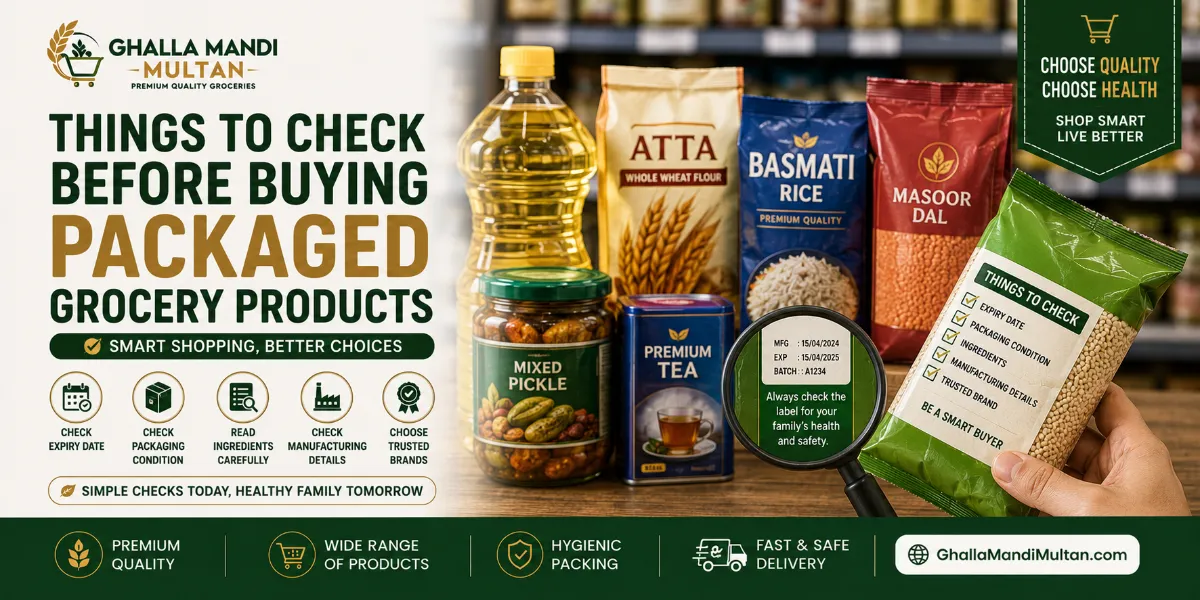
The solution is simple. Eat fresh, whole foods. Cook at home. Use natural spices instead of packaged masalas. These small changes can dramatically reduce your salt intake.
Simple Diet Changes That Work
Start your day with a banana and a glass of milk. Both have potassium and calcium. This sets a healthy foundation.
Cook with garlic every day. Add it to your daals and curries. This helps relax blood vessels naturally.
Eat a handful of almonds daily. They provide magnesium and healthy fats. Soak them overnight for better absorption.
Add leafy greens to your meals. Add spinach to your daal. Use fenugreek in your curries. Make cabbage sabzi once or twice a week.
Replace white rice with brown rice occasionally. Brown rice has magnesium and fiber. It also digests slowly, which is better for overall health.
Drink plenty of water. Dehydration can raise blood pressure. Water also helps your kidneys remove excess sodium.
Limit salt gradually. Reduce it in cooking. Remove the salt shaker from your table. Use herbs and spices for flavor instead.
Final Thoughts
Blood pressure is manageable. You do not need expensive treatments. The solution is in your kitchen.
Reduce sodium. Increase potassium. Eat magnesium-rich foods. Include garlic in your cooking. Eat leafy greens for calcium. Avoid processed foods.
These are not difficult changes. They are simple habits that you can adopt today. Start with one change this week. Add another next week. Your body will thank you.
At Ghalla Mandi Multan, we supply all these healthy foods at wholesale prices. Fresh leafy greens. Premium almonds. Pure garlic. Quality lentils and whole grains. We deliver to your doorstep within twenty-four hours.
Your health is your most valuable asset. Protect it with good food. And start today. Because lowering blood pressure is not just about living longer. It is about living better.
Ghalla Mandi Multan – Your trusted source for premium, healthy foods at wholesale prices. Visit ghallamandimultan.com to order today.
Take control of your health. One meal at a time.