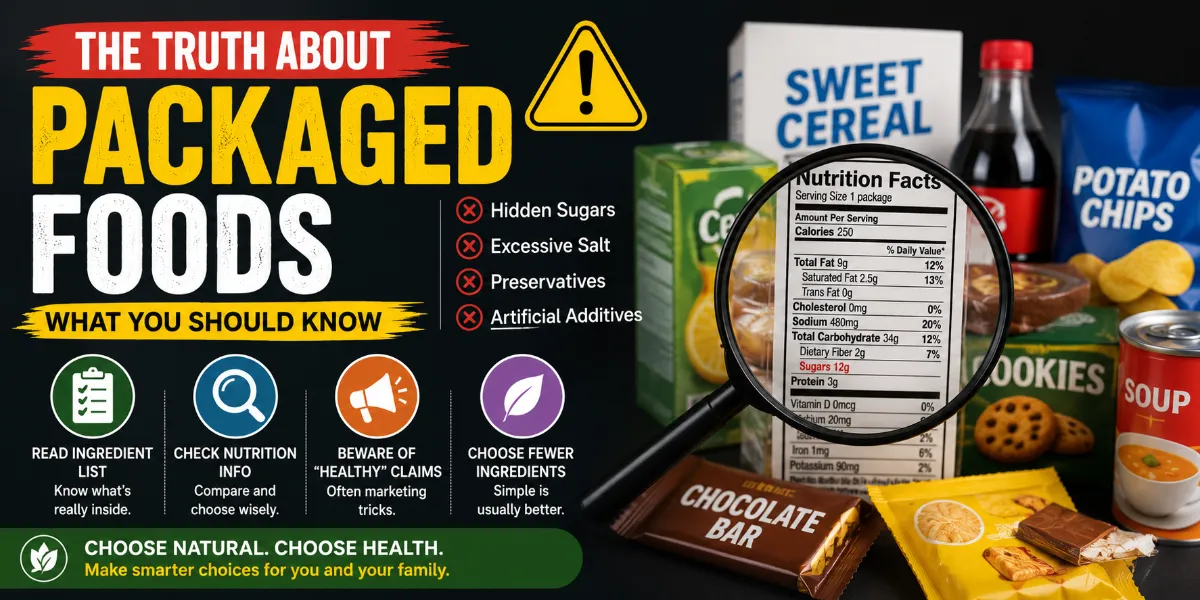

The Truth About Packaged Foods – What You Should Know
Packaged foods are everywhere. Walk into any grocery store and you will see shelves full of colorful boxes, shiny packets, and attractive labels. They promise convenience. They promise great taste. They promise health. But do they deliver?
I have seen too many families fill their shopping carts with packaged foods. Breakfast cereals. Instant noodles. Packaged snacks. Sauces in jars. Ready-to-eat meals. They think these are harmless. They think they are saving time. They think they are making good choices.
But the truth is different. Most packaged foods are not what they seem. They are loaded with hidden sugars. They contain excessive salt. They are full of preservatives. The health claims on the front of the packet are often lies. Marketing tricks designed to make you buy.
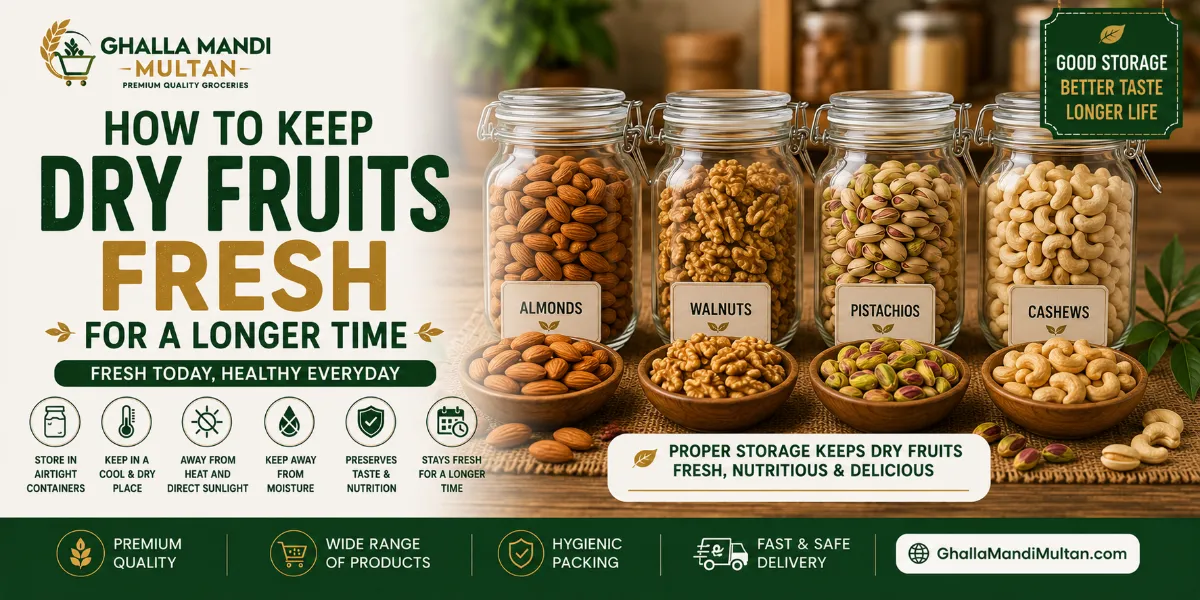
At Ghalla Mandi Multan, we have always focused on natural, unprocessed staple foods. Rice, flour, pulses, spices, dry fruits, and fresh foods. These are what your grandmother ate. These are what your body actually needs.
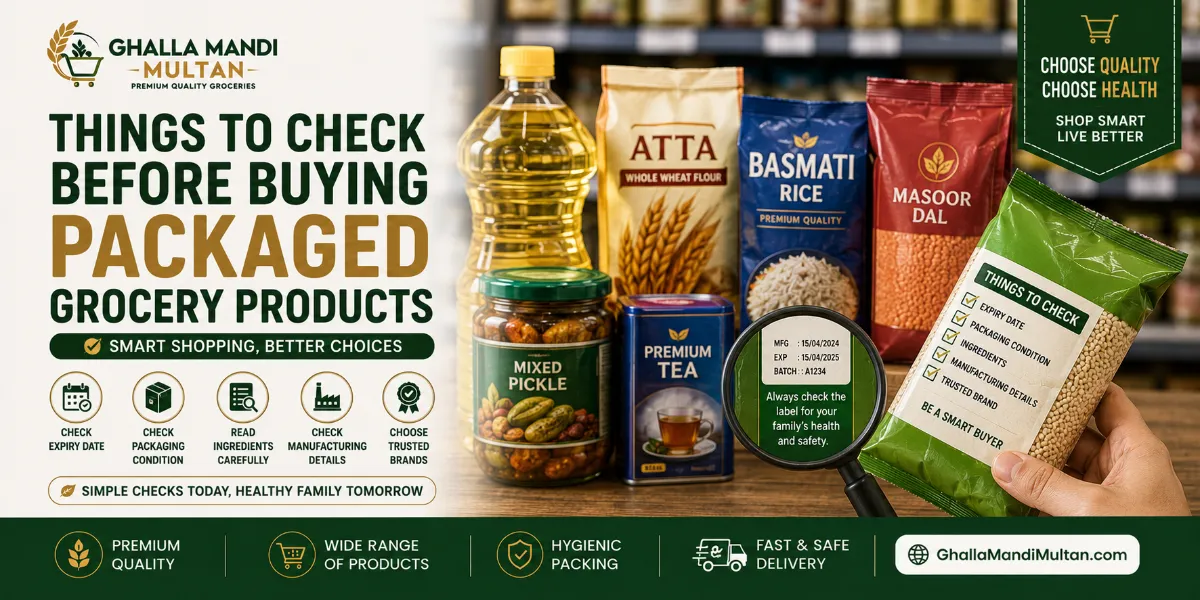
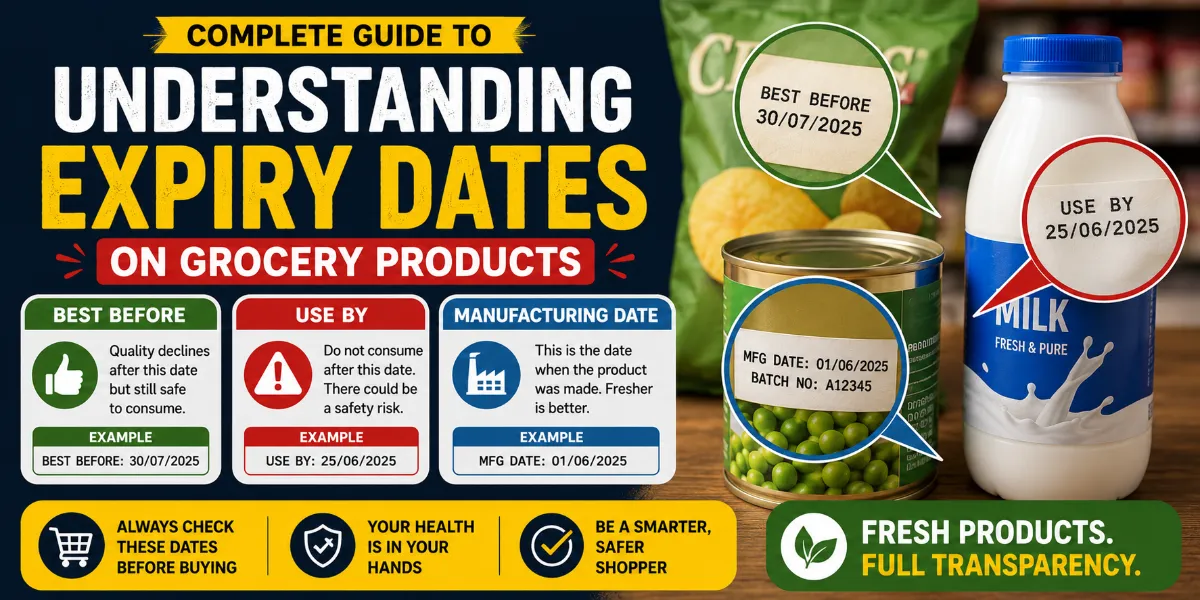
But I know people still buy packaged foods. So let me teach you what to look for. How to read labels. How to spot the tricks. How to make healthier choices for your family.
The Hidden Sugar Problem
Sugar is hidden everywhere. It is not just in sweets and desserts. It is in bread. It is in sauces. It is in soups. It is in yogurts. It is in breakfast cereals. It is even in savory snacks.
Manufacturers add sugar because it makes food taste better. It makes you want more. It keeps you coming back. They know that sugar is addictive. They use this knowledge to sell more products.
But the sugar is hidden under different names. You see "sucrose" and think it is fine. You see "high fructose corn syrup" and do not recognize it. You see "glucose," "dextrose," "fructose," "maltose," "honey," "molasses." All of these are sugar. All of them add empty calories. All of them spike your blood sugar.
The average Pakistani consumes far more sugar than they realize. Much of it comes from packaged foods. The World Health Organization recommends no more than twenty-five grams of added sugar per day. A single serving of many packaged foods exceeds this.
Always check the ingredients list. Look for sugar and its many names. If sugar appears near the top, avoid it. The ingredients are listed in order of quantity. The first few ingredients are what the product contains most of.
The Excessive Salt Problem
Salt is another hidden danger. It is added to almost all packaged foods. It enhances flavor. It acts as a preservative. It extends shelf life. Manufacturers love salt. But your body does not.
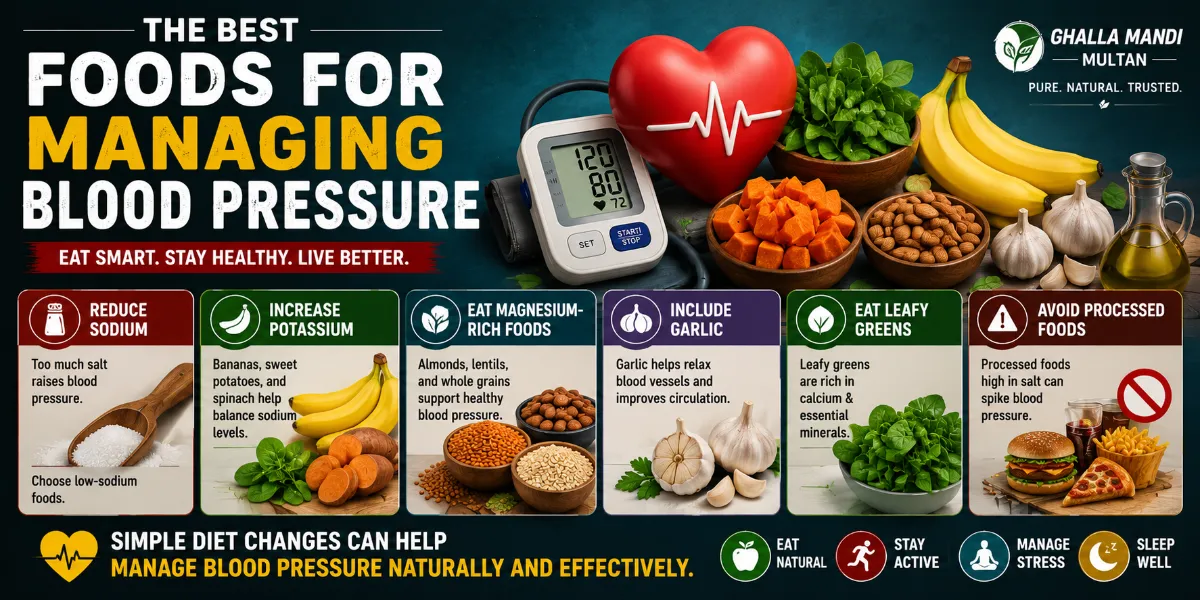
Excessive salt raises blood pressure. It damages your kidneys. It increases the risk of heart disease and stroke. Most Pakistanis eat two to three times the recommended amount of salt. And much of it comes from packaged foods.
Processed meats have a lot of salt. Sausages, salami, and ham are packed with it. Canned soups and sauces have high salt levels. Instant noodles have enormous amounts of salt. A single packet can contain more than your daily limit.
Read the nutritional information. Look for sodium content. The recommended daily limit is about two thousand three hundred milligrams. Check how much is in one serving. Often, one serving contains half your daily limit. And most people eat more than one serving.
Choose products with lower sodium levels. Better yet, choose unprocessed foods and add salt yourself. You will use much less.
The Preservative Problem
Preservatives are chemicals added to food to extend shelf life. They keep food from spoiling. They prevent mold and bacteria growth. This sounds useful. But many preservatives are harmful.
Some preservatives have been linked to health problems. Allergies, asthma, digestive issues, and even cancer have been associated with certain preservatives. BHA, BHT, sodium benzoate, and nitrates are all concerning.
Manufacturers use preservatives so they can sell food that lasts for months or years. But real food does not last that long. The preservatives are the reason your packaged food does not spoil. But at what cost?
Choose products with fewer preservatives. The shorter the ingredient list, the better. Ideally, you want ingredients you recognize. Things you could buy at a market. Not chemical names you cannot pronounce.
The Marketing Lies
This is what makes me angry. The front of the packet is full of health claims. "Natural." "Healthy." "Organic." "Low-fat." "No added sugar." "Made with real fruit." These claims are almost always misleading.
"Natural" means almost nothing. There is no legal definition. Any product can be called natural. "Low-fat" often means high sugar. When fat is removed, sugar is added to improve taste. "No added sugar" can still mean high natural sugar. The overall sugar content may be just as high.
"Made with real fruit" might mean it has a tiny amount of fruit powder. The rest is sugar and additives. "Organic" is regulated but often used loosely. Many products labeled organic still have harmful ingredients.
Do not trust the front of the packet. It is marketing. It is designed to make you buy. The only reliable information is on the back. The ingredient list. The nutritional information. Those are regulated. Those tell the truth.
How to Read Ingredient Lists
The ingredients are listed in order of quantity. The first ingredient is what the product contains most of. The last ingredient is what it contains least of.
If the first ingredient is sugar, avoid it. If the first ingredient is white flour, it is an empty carbohydrate. If you see long chemical names, be suspicious. If you see ingredients you do not recognize, research them.
A good rule of thumb. If you cannot pronounce an ingredient, you should not eat it. If you would not find it in your kitchen, it does not belong in your food.
Also look at the number of ingredients. Fewer ingredients is better. A product with five ingredients is better than one with fifty. Real food has simple ingredients. Apples have one ingredient. Apples. Rice has one ingredient. Rice. Processed foods have many.
How to Read Nutritional Information
The nutritional information gives you numbers. Total calories. Fat. Saturated fat. Cholesterol. Sodium. Carbohydrates. Fiber. Sugar. Protein.
Pay attention to serving size. This is where they trick you. A product might seem low in calories. But the serving size is tiny. Most people eat two or three servings. Always check serving size.
Check the sugar content. Look for added sugars specifically. The total sugar includes natural sugar from fruit or milk. Added sugar is the problem. Look for added sugar numbers.
Check the sodium content. The lower the better. Also check fiber. Higher fiber is better. It means the product is more natural.
Check protein. Higher protein is usually better. But consider the source. Protein from beans is better than protein from processed meat.
The Whole Foods Alternative
Here is the simplest solution. Eat whole foods. Foods that are unprocessed. Foods that are in their natural state.
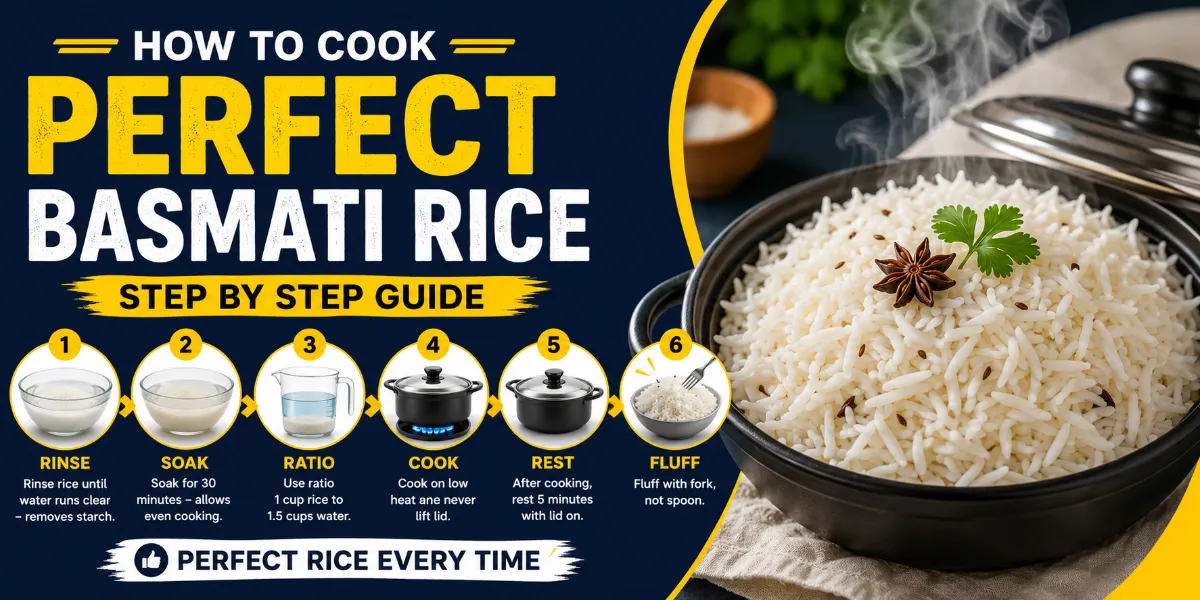
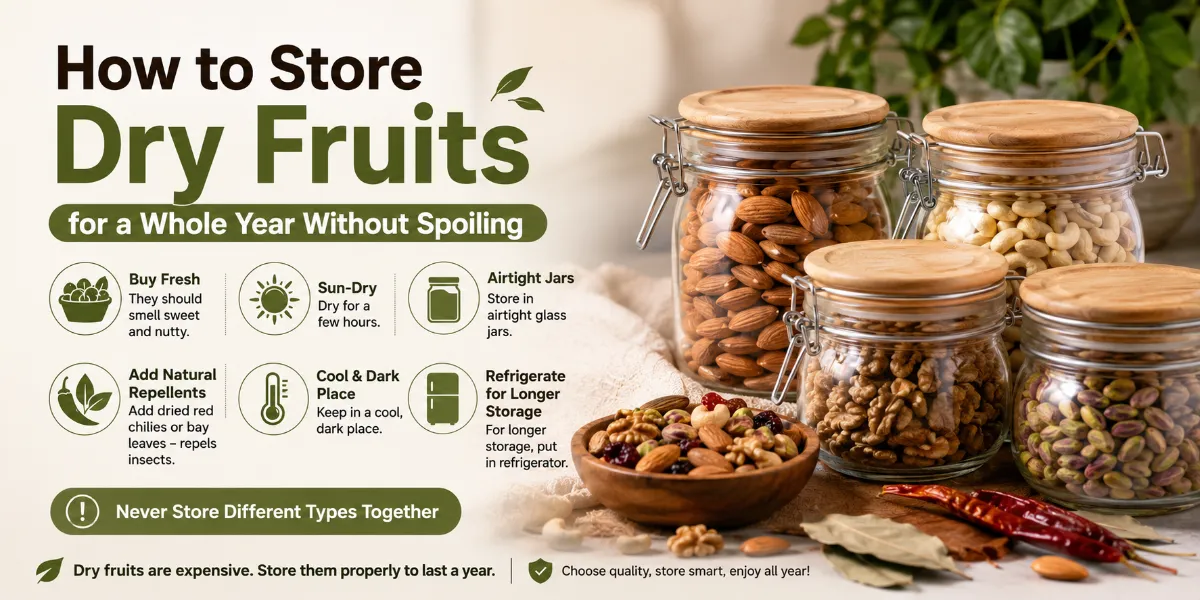
Rice. Flour. Pulses. Spices. Fresh vegetables. Fresh fruits. Eggs. Chicken. Fish. These are the foods your body recognizes. They have no added sugar. No excessive salt. No preservatives. No marketing tricks.
When you eat whole foods, you know exactly what you are eating. You control the salt. You control the sugar. You add the flavors you like. You are in charge.
At Ghalla Mandi Multan, this is what we sell. Natural, unprocessed staple foods. Rice, daals, flour, spices, dry fruits, fresh produce. These are the foods that nourish your body. These are the foods that keep your family healthy.
The Convenience Balance
I understand the appeal of packaged foods. They are convenient. They save time. Sometimes you are tired and just want a quick meal.
But there is a balance. Limit packaged foods. Use them occasionally, not daily. Most of your diet should come from whole foods. The occasional packaged snack is fine. But it should be the exception, not the rule.
When you buy packaged foods, choose wisely. Read the labels. Look for products with short ingredient lists. Avoid added sugar and high sodium. Choose the less processed option. Your body will thank you.
How Ghalla Mandi Multan Is Different
At Ghalla Mandi Multan, we do not hide anything. Our products are simple. Rice is rice. Flour is flour. Daal is daal. What you see is what you get.
We do not add preservatives. We do not add hidden sugar. We do not add excessive salt. We sell natural foods in their natural state. This is how food should be.
Our prices are wholesale. Natural foods are affordable. They are not expensive. You do not need to spend a lot to eat well.
We deliver within twenty-four hours in Multan. Fresh, natural groceries to your door. No hidden ingredients. No marketing tricks.
Final Thoughts
You are a smarter shopper than the marketers think. Do not be fooled by the front of the packet. Look at the back. Read the ingredient list. Check the nutritional information. Know what you are buying.
Hidden sugars, excessive salt, and preservatives are everywhere. But you can avoid them. Choose whole foods. Choose natural ingredients. Choose health.
At Ghalla Mandi Multan, we make it easy. Natural, unprocessed foods at wholesale prices. Delivered to your door. No hidden ingredients. No marketing lies. Just real food for your family.
Be a smarter buyer. Know what you are eating. Make healthier choices today.
Ghalla Mandi Multan – Your trusted source for natural, unprocessed staple foods. Visit ghallamandimultan.com to order today.
Real food. Real health. No hidden ingredients